Diving into the world of interpreting can be both exciting and challenging, especially when you’re eager to connect with like-minded professionals. Joining an interpreter community offers more than just networking; it provides access to valuable resources, insider tips, and real-world experiences that can accelerate your growth.

Whether you’re a seasoned interpreter or just starting out, being part of a supportive group can make all the difference. These communities often share job leads, training opportunities, and industry updates that keep you ahead of the curve.
Ready to discover how to find the perfect interpreter community for your needs? Let’s explore the details below!
Unlocking the Benefits of Interpreter Communities
Building Genuine Connections That Matter
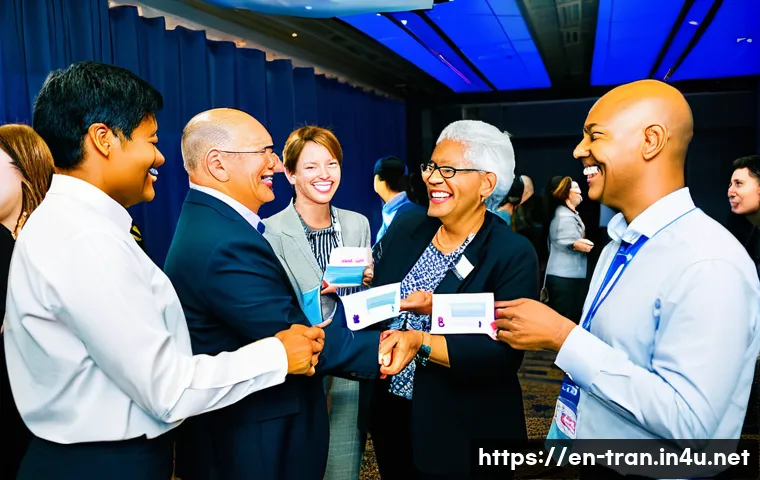
When you join an interpreter community, it’s not just about swapping business cards or adding contacts on LinkedIn. From my experience, the real value lies in forging authentic relationships with people who truly understand the unique challenges and triumphs of this profession.
Whether it’s sharing a tough assignment story or celebrating a breakthrough in skill development, these connections offer emotional support and practical advice that you can’t easily find elsewhere.
I remember one particular group chat where members rallied to help a newcomer prepare for a high-stakes court interpretation – that kind of camaraderie is priceless.
Accessing Insider Resources and Opportunities
Interpreter communities often become treasure troves of information that can fast-track your career growth. From exclusive workshops to discounted certifications, members frequently share resources that aren’t widely advertised.
For example, I once stumbled upon a rare webinar about medical interpreting techniques through a community post, which later helped me land a specialized contract.
Moreover, these groups tend to circulate job leads and freelance gigs that you might miss if you’re relying solely on public job boards. This insider access can give you a competitive edge in a crowded market.
Keeping Up with Industry Trends and Standards
The world of interpreting evolves constantly, with new technologies, ethical standards, and best practices emerging regularly. Being part of a community means you’ll get timely updates and discussions about these changes.
I’ve found that seasoned interpreters in these groups often dissect new regulations or tools, offering their firsthand insights that go beyond what you’d read in official announcements.
Staying informed through peers has helped me adapt quickly and maintain professionalism, which is crucial for client trust and career longevity.
Choosing the Right Interpreter Group for Your Career Stage
For Beginners: Learning and Mentorship Opportunities
If you’re just starting out, finding a community focused on learning can make a huge difference. Look for groups that welcome newcomers with mentorship programs or beginner-friendly resources.
I recall joining a Facebook group where experienced interpreters volunteered to review practice recordings and offer constructive feedback. This kind of hands-on support can boost your confidence and sharpen your skills faster than going it alone.
For Experienced Professionals: Networking and Specialization
Veteran interpreters often seek communities that focus on niche specialties or leadership in the field. Whether you want to dive deeper into legal, medical, or conference interpreting, these groups connect you with experts who can share cutting-edge techniques and industry insights.
Personally, being part of a specialized medical interpreting forum introduced me to advanced terminology workshops and high-profile assignments that matched my expertise.
Balancing Multiple Communities for Maximum Growth
Sometimes one community isn’t enough to cover all your needs. I’ve found that engaging with several groups – say, one for general advice and another for your specific interpreting niche – can provide a well-rounded support system.
However, it’s important to manage your time and avoid overwhelming yourself. Prioritize communities where you feel most engaged and where the content aligns closely with your current goals.
Leveraging Online Platforms to Find Interpreter Communities
Social Media Groups and Forums
Platforms like LinkedIn, Facebook, and Reddit host numerous interpreter-focused groups that cater to different languages and specialties. These spaces are often lively with discussions, Q&A sessions, and event announcements.
When I first looked for communities, I found Facebook groups particularly welcoming and active, with members sharing real-time advice and job leads. Be sure to check the group’s activity level and member engagement before committing your time.
Professional Associations and Local Chapters
Joining established organizations such as the American Translators Association (ATA) or the International Association of Conference Interpreters (AIIC) can connect you with vetted, professional communities.
These associations usually offer forums, newsletters, and local meetups that foster deep connections and professional development. I remember attending a local chapter event through ATA that turned into a long-lasting mentorship relationship.
Specialized Online Platforms and Apps
In recent years, platforms designed specifically for language professionals have emerged, like ProZ.com and Interpreters’ Help. These sites combine community features with job boards and resource libraries.
Using these tools has helped me stay organized and find gigs while participating in discussion threads that address practical daily challenges.
Understanding Community Dynamics and Etiquette
Active Participation vs. Passive Observation
One thing I learned quickly is that the more you put into a community, the more you get out of it. Passive lurking might keep you informed, but active engagement builds trust and rapport.
Sharing your experiences, asking thoughtful questions, and offering help when you can transforms you from a bystander into a valued member. This level of interaction often leads to unexpected opportunities and collaborations.
Respecting Diversity and Professionalism
Interpreter communities bring together people from various cultural backgrounds and levels of experience. Maintaining respect and professionalism is essential for a healthy environment.
I’ve witnessed heated debates defused by members reminding everyone to focus on constructive dialogue and mutual support. Embracing diversity enriches your perspective and helps you grow not only as an interpreter but also as a global communicator.
Managing Confidentiality and Ethical Boundaries
Given the sensitive nature of interpretation work, it’s crucial to handle shared information responsibly. Communities often have guidelines about discussing client details or case specifics.
I’ve always appreciated groups that clearly outline ethical boundaries, which helps protect everyone’s reputation and fosters a safe space for learning.
Comparing Popular Interpreter Communities and Their Features
| Community | Focus Area | Best For | Key Features | Membership Cost |
|---|---|---|---|---|
| American Translators Association (ATA) | General & Professional Development | All Levels | Certification, Workshops, Local Chapters | $75 – $200/year |
| ProZ.com | Freelance Jobs & Networking | Freelancers | Job Board, Forums, Training | Free & Paid Options |
| Facebook Interpreter Groups | Community Support & Peer Advice | Beginners to Experts | Active Discussions, Job Leads | Free |
| International Association of Conference Interpreters (AIIC) | Conference Interpreting | Experienced Conference Interpreters | Industry Standards, Networking | Membership by Invitation |
| Reddit r/translator | General Language & Translation Help | All Levels | Q&A, Language Tips | Free |
Maximizing Your Experience Within an Interpreter Community
Setting Clear Personal Goals
Before diving into any community, I recommend clarifying what you want to achieve. Is it networking, skill-building, job hunting, or mentorship? Having clear goals helps you focus your energy and choose the right groups.
For instance, I once joined a community primarily for job leads but soon realized I needed more skill development, prompting me to shift to a different group that offered workshops and practice sessions.
Regularly Contributing Valuable Content
Sharing your own knowledge and experiences not only helps others but also reinforces your expertise. I’ve found that writing short how-to posts or answering newcomers’ questions boosts my confidence and visibility.
This kind of participation often leads to invitations to collaborative projects or speaking opportunities.
Balancing Online and Offline Engagement
While online communities are convenient, mixing in face-to-face interactions when possible adds depth to your relationships. Attending conferences, meetups, or local training events recommended by your community can open doors that online chats alone can’t.
I still remember the impact of meeting a mentor in person after months of online discussions—it was a game-changer for my career trajectory.
Wrapping Up
Interpreter communities are invaluable for both personal and professional growth. They offer a space to connect, learn, and stay updated in a constantly evolving field. From mentorship to job opportunities, these groups can truly transform your interpreting career. Embracing active participation will maximize your benefits and open doors you might not find elsewhere.
Useful Tips to Remember
1. Define your goals clearly before joining any interpreter community to ensure you get the support you need.
2. Engage actively by sharing your experiences and asking questions to build meaningful relationships.
3. Take advantage of exclusive resources like workshops and job leads that communities often share.
4. Balance your online involvement with offline events to deepen connections and gain new insights.
5. Respect community etiquette by maintaining professionalism and protecting confidential information.
Key Takeaways
Joining the right interpreter community depends on your career stage and specific needs—whether it’s mentorship for beginners or niche networking for experts. Active participation fosters trust and creates opportunities, while respecting diversity and ethical guidelines ensures a supportive environment. Leveraging both general and specialized groups, alongside professional associations, provides comprehensive growth and access to industry insights.
Frequently Asked Questions (FAQ) 📖
Q: How can joining an interpreter community help me improve my interpreting skills?
A: Being part of an interpreter community is like having a support system that constantly challenges and motivates you. From my own experience, engaging with peers lets you exchange practical tips and receive constructive feedback that you might not get working solo.
Many communities offer workshops, webinars, and real-life case discussions that sharpen your skills in ways textbooks can’t. Plus, hearing about others’ experiences helps you avoid common pitfalls and adopt best practices faster.
It’s a continuous learning environment where growth happens naturally.
Q: What should I look for when choosing the right interpreter community for me?
A: Finding the perfect community depends on your goals and current level. I’d recommend looking for groups that match your language pairs, specialization (like medical or legal interpreting), and preferred format—whether it’s online forums, local meetups, or professional associations.
Also, check how active the community is and whether members share job leads, training resources, or industry news regularly. A welcoming atmosphere where questions are encouraged is crucial too.
Don’t hesitate to join a few communities initially and see which one feels like the best fit.
Q: Are interpreter communities only useful for beginners, or can experienced interpreters benefit as well?
A: Absolutely, communities benefit interpreters at every stage. Even as someone with years of experience, I’ve found immense value in staying connected with others.
Industry standards and technology evolve quickly, and communities keep you updated on those changes. Experienced interpreters often share advanced techniques, mentorship opportunities, and leadership roles within these groups.
It’s also a great place to find collaboration on bigger projects or explore new niches. So, whether you’re just starting or have been in the field for decades, being part of a community keeps your skills fresh and your network strong.