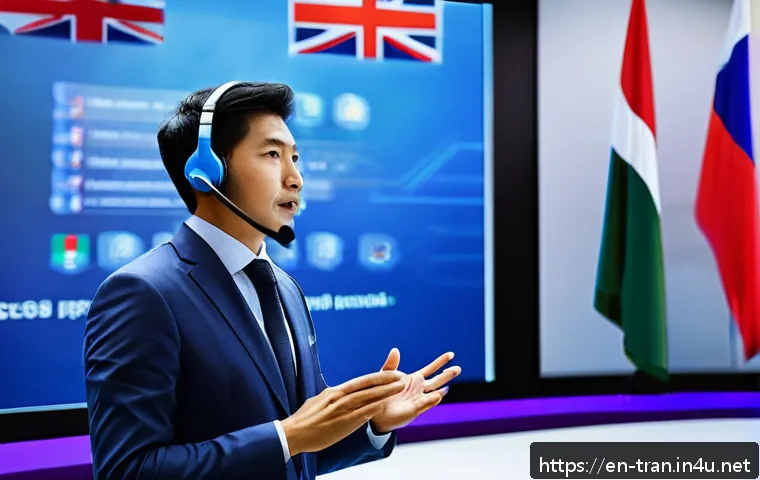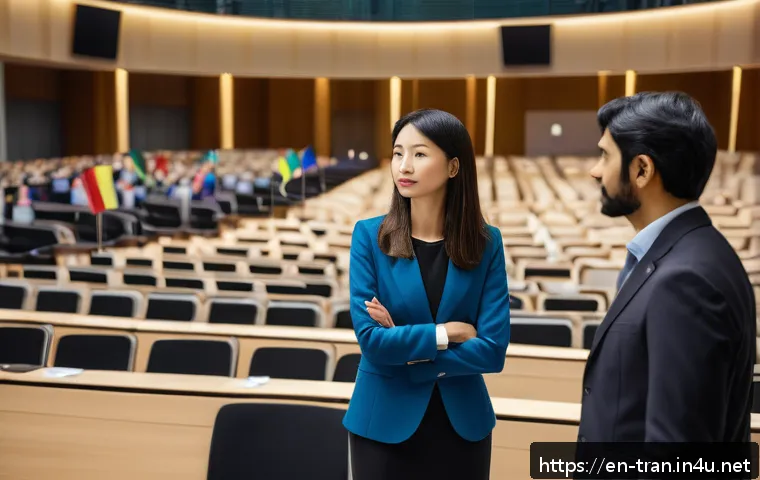
In today’s fast-paced global landscape, effective communication across languages is more crucial than ever. As industries expand and remote collaborations become the norm, interpreters face increasingly complex challenges that demand not just linguistic skill but cultural insight and quick thinking.

Whether navigating high-stakes negotiations or spontaneous conversations, mastering these real-world scenarios is essential for success. In this post, we’ll dive into compelling case studies that reveal how skilled interpreters overcome obstacles and ensure clarity.
If you’re curious about the art and science behind seamless communication, keep reading—you’re about to uncover practical lessons that can transform your approach.
Bridging Language and Culture: Navigating Nuances in Interpretation
Understanding Cultural Context Beyond Words
Interpreting is never just about translating words verbatim; it’s about capturing meaning in its fullest cultural context. I recall a business negotiation where a client’s phrase seemed straightforward, but culturally, it implied hesitation and required a softer approach to avoid offending the counterpart.
Without this cultural insight, the tone could have been misunderstood as dismissive. Skilled interpreters must internalize not only language but also customs, gestures, and social norms to convey messages authentically.
This requires continuous learning and sensitivity to subtle cues that differ vastly between cultures.
Adapting to Regional Dialects and Jargon
Languages are rich with dialects and specialized jargon that can trip up even experienced interpreters. During a recent tech conference, I encountered speakers from various English-speaking countries using unique terms and idioms unfamiliar to others.
Successfully interpreting in such settings means quickly recognizing these differences and finding equivalent expressions that resonate with the audience.
This adaptability enhances clarity and builds trust, demonstrating that the interpreter is not just a translator but a cultural mediator who ensures everyone stays on the same page.
Managing Emotional Underpinnings in Sensitive Conversations
Emotions often color communication, especially in high-stakes or personal discussions. I once worked with a healthcare interpreter where a patient’s anxiety was palpable, affecting tone and word choice.
My role extended beyond language to sensing emotional shifts and conveying empathy without altering the message. This delicate balance demands quick emotional intelligence and professionalism, ensuring the conversation remains clear and respectful.
Interpreters who master this skill can defuse tension and foster understanding, which is critical in sensitive scenarios.
Real-Time Problem Solving: Overcoming Unexpected Challenges
Handling Technical Failures Smoothly
Technical glitches during remote interpreting sessions are inevitable, but how we respond makes all the difference. In a virtual international summit, the audio feed suddenly dropped, threatening to derail a critical negotiation.
Drawing on experience, I immediately switched to a backup platform and kept participants informed, maintaining calm and continuity. This readiness to troubleshoot on the fly prevents loss of trust and keeps conversations flowing seamlessly, showing that an interpreter’s role includes crisis management as much as language expertise.
Clarifying Ambiguous Statements Instantly
Ambiguity can cause confusion and misinterpretation, especially when time is tight. I remember an instance where a speaker’s vague reference risked derailing a deal.
Instead of simply passing the words along, I tactfully asked for clarification in a way that preserved the speaker’s intent and dignity. This proactive approach, while delicate, avoids misunderstandings and ensures all parties have a clear grasp of key points.
Interpreters who can confidently navigate such moments prove indispensable in maintaining smooth communication.
Balancing Speed and Accuracy Under Pressure
Interpreting simultaneously demands rapid processing and precise output, a skill honed through practice and focus. At a fast-paced trade fair, speakers switched topics frequently, challenging me to keep up without sacrificing accuracy.
I learned that maintaining a calm mindset and chunking information effectively allowed me to deliver clear interpretations. This balance of speed and precision is vital to prevent miscommunication and demonstrate professionalism, especially in environments where every second counts.
Building Trust Through Consistent Professionalism
Establishing Rapport with Diverse Stakeholders
Trust is the foundation of effective interpretation. Early in my career, I noticed that building rapport with clients and speakers made subsequent interactions smoother and more open.
Simple gestures like learning names correctly, maintaining eye contact, and showing genuine interest can break down barriers. This human connection encourages speakers to express themselves more naturally, which in turn enhances the quality of interpretation.
Trust also reassures clients that their message will be handled with integrity and care.
Maintaining Confidentiality and Ethical Standards
Confidentiality is non-negotiable in interpretation, especially in legal, medical, or corporate settings. I once interpreted a sensitive merger discussion where every detail was highly confidential.
Upholding strict ethical standards means not only keeping information private but also avoiding conflicts of interest and impartiality. Demonstrating this professionalism repeatedly builds a reputation that clients rely on, making interpreters trusted partners rather than mere service providers.
Continuously Updating Skills and Knowledge
Language and cultural dynamics evolve rapidly, and staying current is essential. I make it a habit to attend workshops, follow global news, and engage with native speakers regularly.
This ongoing education ensures my interpretations remain relevant and precise, especially when new terminology or geopolitical shifts emerge. Clients value interpreters who bring fresh insights and demonstrate commitment to excellence, which can open doors to higher-profile assignments and long-term collaborations.
Leveraging Technology to Enhance Interpretation Quality
Using Advanced Tools for Preparation
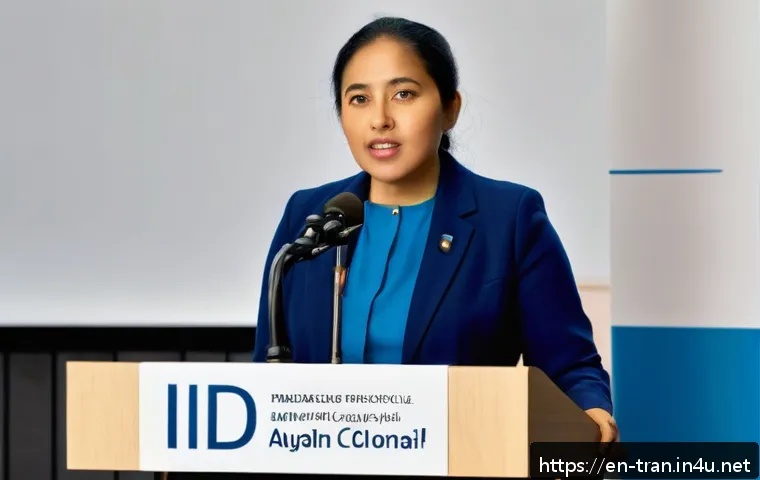
Preparation is half the battle, and technology offers powerful resources. I use specialized glossaries, translation memory software, and real-time transcription apps to prepare for assignments.
These tools help familiarize me with technical terms and speaker accents beforehand, reducing surprises during sessions. While technology can never replace human intuition, it significantly boosts efficiency and accuracy, allowing interpreters to focus on delivering nuanced, culturally appropriate interpretations.
Integrating AI Assistance Without Losing Human Touch
Artificial intelligence is increasingly present in language services, but its role should complement, not replace, interpreters. I’ve experimented with AI-generated drafts to speed up preparation, yet always refine outputs to preserve natural flow and emotional resonance.
The human touch remains crucial for capturing humor, irony, and cultural references that AI can miss. Balancing AI’s strengths with human expertise enables interpreters to provide faster, more reliable services without sacrificing quality.
Ensuring Accessibility Through Remote Platforms
Remote interpretation has become standard, expanding access but also introducing challenges like latency and participant engagement. I’ve found that mastering various platforms and using reliable hardware improves user experience and minimizes disruptions.
Clear communication protocols and backup plans are essential to navigate technical hiccups. Embracing remote work opens opportunities globally, but it demands adaptability and continuous skill refinement to maintain excellence.
Effective Communication Strategies in Multilingual Settings
Facilitating Multilateral Discussions
Interpreting in meetings with multiple languages and participants requires managing turn-taking and ensuring everyone feels heard. I employ active listening and concise summarizing to keep conversations on track.
Sometimes, I act as a subtle moderator, gently prompting speakers to clarify or slow down. This dynamic role demands diplomacy and sharp attention to detail, ensuring that language barriers don’t hinder collaboration or decision-making.
Customizing Style for Different Audiences
Not all audiences are alike, and tailoring interpretation style is key. For example, legal interpretations require formality and precision, whereas community events may benefit from a more relaxed, approachable tone.
I adapt vocabulary, pacing, and body language to match audience expectations and context. This customization makes communication feel natural and respectful, increasing engagement and comprehension.
Encouraging Feedback to Improve Interaction
I’ve learned that inviting feedback from clients and participants enhances future performance. After sessions, brief debriefs or surveys reveal what worked well and where improvements are needed.
This openness fosters a collaborative atmosphere, showing that interpreters are invested in continuous improvement. It also builds stronger relationships, as clients appreciate interpreters who listen and evolve based on real experiences.
Key Skills and Tools for Successful Interpretation
| Skill/Tool | Description | Practical Benefit |
|---|---|---|
| Cultural Competence | Understanding social norms, gestures, and context beyond language | Prevents miscommunication and builds rapport |
| Active Listening | Fully concentrating and understanding speakers’ messages | Ensures accurate and nuanced interpretation |
| Technical Glossaries | Specialized vocabulary lists for industries | Improves terminology accuracy and preparation |
| Emotional Intelligence | Recognizing and managing emotions in communication | Maintains professionalism and empathy |
| Remote Platforms | Software enabling virtual interpretation | Expands reach and flexibility |
| AI Tools | Assistance for preparation and transcription | Increases efficiency without replacing human judgment |
| Feedback Mechanisms | Client and participant input systems | Drives continuous improvement and trust |
In Conclusion
Interpreting goes far beyond mere word-for-word translation; it’s an art of bridging cultures, emotions, and contexts. Through experience, I’ve seen how cultural sensitivity, adaptability, and professionalism transform communication into genuine understanding. Embracing technology and continuous learning only enhances this vital role, ensuring every message is delivered with clarity and respect. Ultimately, successful interpretation builds trust and opens doors to meaningful global connections.
Helpful Information to Keep in Mind
1. Cultural competence is essential—knowing social norms and nonverbal cues prevents misunderstandings and enriches communication.
2. Emotional intelligence helps interpreters manage sensitive conversations with empathy while maintaining accuracy.
3. Technology, such as AI and remote platforms, can boost efficiency but should never replace the human element.
4. Customizing interpretation style according to the audience enhances engagement and clarity.
5. Seeking and applying feedback encourages growth and strengthens client relationships.
Key Takeaways
Successful interpretation demands a blend of linguistic expertise, cultural insight, and emotional awareness. Interpreters must be quick problem solvers who balance accuracy with speed, often navigating unexpected technical or conversational challenges. Building trust through professionalism and confidentiality is fundamental, as is staying current with evolving language trends and technology. Ultimately, the interpreter’s role is that of a cultural mediator who ensures smooth, respectful, and effective communication across diverse settings.
Frequently Asked Questions (FAQ) 📖
Q: What are the biggest challenges interpreters face during high-stakes negotiations?
A: Interpreters often encounter pressure to maintain accuracy while managing intense emotions and complex terminology. In negotiations, every word can carry significant weight, so they must balance literal translation with capturing tone and intent.
I’ve seen firsthand how quick thinking and cultural sensitivity help interpreters navigate misunderstandings and subtle nuances that could otherwise derail communication.
Q: How do interpreters prepare for spontaneous conversations in multicultural environments?
A: Preparation goes beyond vocabulary; it involves researching cultural contexts, industry jargon, and potential conversational topics. From my experience working with interpreters, those who succeed keep a mental toolkit of phrases and strategies ready, enabling them to adapt on the fly.
They also practice active listening and cultural empathy to respond naturally, not robotically, which builds trust and clarity in real time.
Q: Can mastering real-world interpreting scenarios improve overall communication skills?
A: Absolutely. Interpreting sharpens your ability to listen deeply, think quickly, and convey meaning clearly—skills valuable in any cross-cultural interaction.
When I practiced interpreting in diverse settings, it enhanced my own communication by forcing me to see things from multiple perspectives and express ideas with precision.
This real-world practice turns language skills into powerful bridges rather than just words.