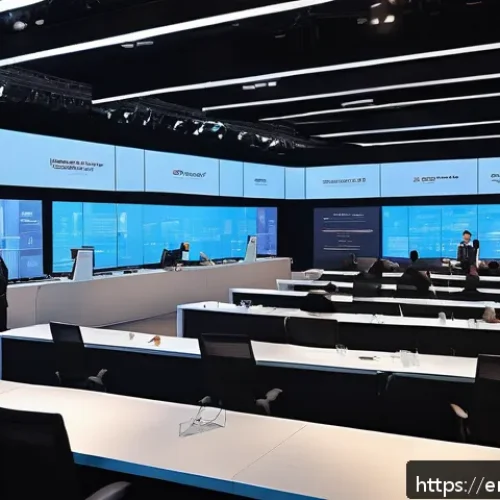
In today’s fast-paced global landscape, effective communication across languages is more crucial than ever. Whether it’s business meetings, conferences, or community events, interpreters play a silent yet vital role in bridging gaps.

Reflecting on my very first interpreting project, I realized how much goes beyond just language skills—cultural nuances, quick thinking, and emotional resilience all come into play.
Join me as I share the eye-opening lessons learned from that initial experience and offer insights that can help aspiring interpreters and language enthusiasts alike navigate this challenging yet rewarding path.
If you’ve ever wondered what it’s really like behind the scenes, this story might just surprise you.
Mastering the Art of Instant Interpretation
The Challenge of Real-Time Processing
Interpreting isn’t just about translating words; it’s a mental marathon. From my first project, I realized how the brain needs to juggle listening, understanding, and speaking almost simultaneously.
It felt like trying to catch a fast-moving train while assembling a puzzle. The pressure to capture every nuance without missing a beat is immense. I learned that staying calm under this mental load isn’t optional—it’s a survival skill.
The moment you panic, even a slight hesitation can distort the message or lead to misunderstandings. Over time, I discovered that training my mind to anticipate and predict what’s coming next, based on context, helped immensely.
This wasn’t something you learn overnight but through repeated exposure and practice.
Balancing Accuracy and Fluency
One of the toughest lessons was finding the sweet spot between being accurate and maintaining a smooth flow. Early on, I caught myself pausing too often to find the perfect word, which disrupted the speaker’s rhythm and frustrated listeners.
But simply rushing through to keep pace isn’t a solution either because it sacrifices precision. I found that embracing imperfection and focusing on conveying the core meaning rather than a word-for-word translation improved my performance.
It’s like painting with broad strokes rather than obsessing over every tiny detail. This balance requires confidence and trust in your linguistic instincts, which only develops after experiencing real interpreting scenarios.
Building Emotional Resilience
Interpreting can be emotionally draining, especially in high-stakes environments. My first project involved intense discussions where emotions ran high.
I had to deliver messages that sometimes contained criticism, disappointment, or urgent calls to action, all while maintaining neutrality. It was tough not to get personally affected or overwhelmed.
I realized that emotional resilience is just as important as language proficiency. Developing a mental boundary to separate myself from the content allowed me to stay objective and professional.
This skill grew stronger as I gained more exposure and learned to recharge effectively after demanding sessions.
Decoding Cultural Contexts Beyond Language
Understanding Subtle Cultural Signals
Language is deeply intertwined with culture, and interpreting demands more than literal translation—it calls for cultural fluency. My first project revealed how easily misunderstandings can occur if cultural nuances are overlooked.
For instance, a phrase that sounds polite in one language might come off as blunt or even offensive in another. I had to quickly learn not just vocabulary but the social cues, humor, and taboos embedded within communication.
This awareness allowed me to add the right tone and adapt expressions to suit the audience’s cultural expectations without losing the original message’s intent.
Adapting to Diverse Audiences
Each interpreting assignment comes with a unique audience profile—business executives, academics, community members, or diplomats—all with different expectations and levels of familiarity with the subject matter.
I noticed that tailoring my delivery style to match the audience’s needs boosted engagement and comprehension. For example, simplifying jargon for non-specialists or using formal language for official meetings made a huge difference.
This adaptability requires a deep understanding of both cultures involved and the flexibility to switch between them seamlessly.
Bridging Cultural Gaps with Empathy
Empathy emerged as a powerful tool in my interpreting journey. When you understand the emotional and cultural background behind the words, you can convey not just the literal meaning but also the speaker’s feelings and intentions.
This connection helps bridge gaps and fosters better mutual understanding. I found myself acting as a cultural mediator, smoothing over potential friction points and ensuring respectful communication.
This role often goes unnoticed, but it’s critical for successful interpretation and building trust between parties.
Essential Technical Skills for Smooth Delivery
Mastering Voice Control and Clarity
One technical aspect that caught me off guard was the importance of voice modulation. Speaking clearly and at an appropriate pace makes a huge difference in how well the message is received.
In my first project, I had moments where I rushed my words out of nervousness, which caused confusion. Learning to control my breathing, emphasize key points, and use pauses effectively improved my delivery dramatically.
It’s a skill that requires conscious effort and practice but pays off in listener engagement and comprehension.
Utilizing Technology Effectively
Technology often plays a subtle but vital role in modern interpreting. From headsets and microphones to real-time transcription tools, having a good grasp of the equipment can ease the workload.
During my initial experience, technical glitches caused some tense moments. This taught me to always prepare for backups and troubleshoot calmly under pressure.
Familiarity with digital platforms, especially for remote interpreting, is now indispensable. Being tech-savvy not only boosts confidence but also ensures smoother sessions and better client satisfaction.
Note-Taking and Memory Techniques
Despite the fast pace, jotting down quick notes helps capture critical information and organize thoughts. I experimented with various shorthand methods and symbols to keep up.
Combining this with memory techniques like chunking information or using mental imagery made a significant difference in accuracy. These tools serve as anchors, especially during long sessions when fatigue sets in.
Developing a personalized note-taking system is essential for managing complex content and maintaining consistency.
Managing Stress and Energy During Assignments
Physical and Mental Preparation
Interpreting sessions can be physically demanding, requiring stamina and focus for extended periods. I quickly learned that preparation goes beyond studying vocabulary or background topics—it includes taking care of my body and mind.
Simple routines like stretching, hydration, and light exercise before assignments helped me stay alert and reduce tension. Mentally, practicing mindfulness and breathing techniques calmed my nerves and sharpened concentration.

These habits made a noticeable difference in my overall performance and recovery afterward.
Effective Break Strategies
Long sessions without breaks can drain even the most seasoned interpreters. My first project highlighted how critical it is to use breaks wisely—not just as downtime but as moments to reset mentally and physically.
I developed quick rituals like stepping outside for fresh air, doing brief stretches, or having a healthy snack to recharge. Avoiding screen time and heavy social interactions during breaks preserved my energy.
These small adjustments helped me maintain consistent quality throughout the day and avoid burnout.
Building a Support Network
Interpreting can sometimes feel isolating, especially when working solo. Connecting with fellow interpreters and mentors proved invaluable for sharing experiences, advice, and emotional support.
I found that discussing challenges openly and celebrating successes with peers created a sense of community and motivation. This network also became a resource for professional growth and learning new techniques.
Having trusted colleagues to turn to made the journey less daunting and more rewarding.
Understanding Client Expectations and Professionalism
Clarifying Roles and Boundaries
From the start, I realized how important it is to define what is expected of me as an interpreter. Clients often have different assumptions about the role—some expect verbatim translation, others want summaries or cultural explanations.
Setting clear boundaries and communicating these upfront prevented misunderstandings and ensured smoother collaboration. It also helped me manage workload and maintain ethical standards without overstepping.
Understanding this dynamic is a vital part of professional interpreting.
Maintaining Confidentiality and Neutrality
Interpreters often handle sensitive or confidential information, making discretion paramount. I quickly learned that maintaining strict confidentiality isn’t just a professional courtesy but a legal and ethical obligation.
Similarly, neutrality—refraining from expressing personal opinions or emotions—is essential to uphold trust and credibility. This balance can be challenging, especially in emotionally charged settings, but it’s fundamental to the profession’s integrity.
Developing these habits early on set the tone for my future work.
Delivering Value Beyond Words
Clients appreciate interpreters who add value by anticipating needs and offering cultural insights without imposing. I found that being proactive—such as clarifying ambiguous terms or suggesting appropriate phrasing—elevated my service.
This approach demonstrates commitment and professionalism, fostering long-term relationships. It’s not about taking control but about being a reliable partner who enhances communication and understanding.
Common Pitfalls and How to Overcome Them
Dealing with Nervousness and Self-Doubt
Feeling nervous before and during my first project was inevitable. What helped was accepting that nerves are natural and channeling that energy into focus rather than fear.
I practiced positive self-talk and reminded myself of my preparation and skills. Over time, this mindset shift transformed anxiety into motivation rather than a barrier.
Embracing imperfection and learning from mistakes is key to growth in this field.
Handling Unexpected Situations
No matter how prepared you are, surprises happen—technical failures, unfamiliar topics, or speakers who talk too fast. During my initial experience, I faced a sudden change in agenda that threw me off balance.
The best strategy is to stay calm, improvise when necessary, and ask for clarifications if possible. Developing problem-solving skills and flexibility is crucial.
Each unexpected event becomes a learning opportunity that builds resilience.
Balancing Multiple Languages and Dialects
Interpreting between multiple languages or dialects adds complexity. I encountered moments where regional expressions or slang caused confusion. Investing time in studying regional variations and practicing with native speakers helped immensely.
It’s also important to acknowledge when you don’t know a term and find a way to convey the meaning effectively rather than guessing. Honesty and continual learning are vital in mastering multilingual interpretation.
Key Elements of Successful Interpretation Summarized
| Element | Description | Personal Tip |
|---|---|---|
| Mental Agility | Ability to process and convey information instantly with accuracy and fluency. | Practice active listening and prediction exercises regularly. |
| Cultural Competence | Understanding cultural nuances to avoid miscommunication. | Engage with native speakers and cultural materials frequently. |
| Emotional Resilience | Maintaining neutrality and composure in stressful situations. | Use mindfulness and establish mental boundaries. |
| Technical Skills | Mastery of voice control, note-taking, and technology use. | Record practice sessions to improve clarity and pacing. |
| Professionalism | Clarifying roles, confidentiality, and client communication. | Set expectations clearly before assignments begin. |
| Stress Management | Maintaining energy and focus through preparation and breaks. | Develop pre-session routines and effective break habits. |
| Continuous Learning | Adapting to new languages, topics, and unexpected challenges. | Seek feedback and participate in interpreter communities. |
In Conclusion
Mastering instant interpretation is a journey filled with challenges and growth. It demands mental agility, cultural sensitivity, and emotional strength. Through practice and experience, you develop the skills to bridge languages and cultures seamlessly. Remember, every interpreting opportunity is a step toward greater confidence and professionalism.
Helpful Tips to Keep in Mind
1. Always prepare thoroughly by researching the topic and audience before your assignment.
2. Practice active listening daily to sharpen your ability to anticipate and process information quickly.
3. Develop a personalized note-taking system that works best for you to enhance memory retention.
4. Prioritize self-care with physical exercises and mental relaxation techniques to maintain focus and energy.
5. Build a network of fellow interpreters for support, knowledge sharing, and continuous learning.
Key Takeaways for Successful Interpretation
Successful interpretation hinges on balancing accuracy with natural flow while managing stress effectively. Cultivating cultural awareness and emotional resilience ensures clear and respectful communication. Technical skills, such as voice control and technology use, enhance delivery quality. Setting clear professional boundaries and maintaining confidentiality are essential for trust and credibility. Lastly, embracing continuous learning and flexibility prepares you for any unexpected challenges along the way.
Frequently Asked Questions (FAQ) 📖
Q: uestionsQ1: What are the biggest challenges an interpreter faces beyond just language translation?
A: Interpreting is much more than swapping words between languages. One of the toughest parts is grasping cultural nuances that influence meaning and tone.
You also need to think on your feet—sometimes a speaker changes topics quickly or uses idiomatic expressions that don’t translate literally. On top of that, emotional resilience is key because the pressure to deliver accurately in real-time can be intense, especially in high-stakes environments like business negotiations or medical settings.
From my first project, I learned that staying calm and adaptable is just as important as language proficiency.
Q: How can aspiring interpreters prepare themselves for real-life interpreting scenarios?
A: Beyond studying vocabulary and grammar, immersing yourself in the cultures related to the languages you interpret is invaluable. Watching international news, attending multicultural events, or even practicing with native speakers helps you pick up subtle cues and expressions.
Also, developing quick decision-making skills through simulated interpreting exercises can boost your confidence. When I started, role-playing challenging situations helped me stay composed and responsive.
Finally, building emotional stamina by managing stress and maintaining focus during long sessions is something you can only develop through experience.
Q: What is it like emotionally and mentally during a live interpreting assignment?
A: Honestly, it’s a rollercoaster. At first, there’s a mix of excitement and nervousness—knowing that every word counts can feel overwhelming. During the assignment, you need to be fully present, juggling listening, processing, and speaking almost simultaneously.
I found that emotions can run high, especially if the topic is sensitive or if the speaker’s tone shifts suddenly. However, once you get into a rhythm, there’s a rewarding sense of connection, like you’re the invisible bridge enabling understanding.
That feeling of making communication seamless, despite all the behind-the-scenes challenges, is what keeps me passionate about interpreting.