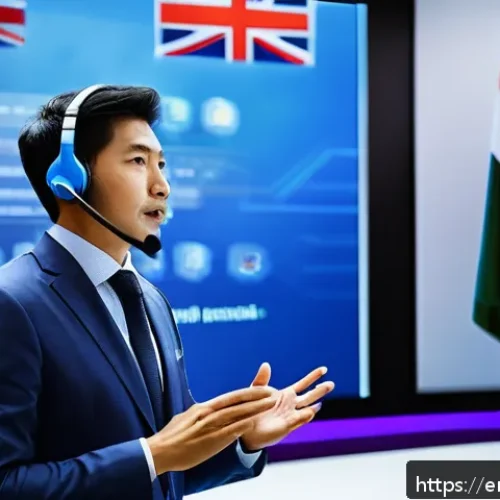
In today’s hyperconnected world, the role of professional interpreters has never been more crucial. As global businesses expand and cross-cultural communication becomes a daily necessity, skilled interpreters unlock doors to new markets and meaningful collaborations.

Whether in international conferences, legal settings, or healthcare environments, their expertise bridges language gaps with precision and cultural sensitivity.
If you’ve ever wondered how mastering interpretation can transform your career and open a world of opportunities, you’re in the right place. Let’s explore the top benefits of being a professional interpreter and why this dynamic profession is gaining momentum now more than ever.
Expanding Professional Horizons Through Interpretation
Unlocking Access to Global Networks
One of the most exciting aspects of working as a professional interpreter is the natural gateway it provides to diverse international networks. When you interpret at global conferences, business negotiations, or cultural events, you’re not just translating words—you’re becoming a pivotal connector between people and ideas from all over the world.
From my own experience, the thrill of meeting professionals from vastly different backgrounds while facilitating smooth communication is unparalleled.
This exposure often leads to unexpected opportunities, such as invitations to specialized workshops, collaborations on international projects, or even career shifts into related fields like diplomacy or global marketing.
Continuous Learning and Cultural Immersion
Interpreting isn’t just about language skills; it’s an ongoing journey of cultural discovery. Each assignment plunges you into a new environment, requiring a deep understanding of idioms, customs, and social nuances.
I’ve found that this constant cultural immersion keeps the job fresh and intellectually stimulating. For example, interpreting in healthcare settings demands not only linguistic precision but also sensitivity to cultural beliefs about illness and treatment.
The best interpreters become lifelong learners, continually adapting their knowledge to serve clients better and avoid misunderstandings that could have serious consequences.
Building a Resilient Skillset for Diverse Industries
The versatility gained from interpreting across sectors—from legal courts to tech summits—is a major career asset. I’ve personally witnessed how honing skills in specialized terminology and rapid cognitive shifts sharpens mental agility.
This adaptability means that if one sector slows down, interpreters can pivot to others without losing momentum. It’s a cushion against economic fluctuations and adds a layer of job security that many professions struggle to offer.
Financial Flexibility and Rewarding Compensation
High Demand Drives Competitive Earnings
Interpreters often enjoy lucrative rates, especially when working in specialized fields like legal or medical interpretation. In my early career, I was surprised by how much clients value precision and confidentiality, which translates into premium compensation.
Freelancers benefit from setting their own rates and negotiating directly with clients, while staff interpreters at multinational companies or government agencies receive stable salaries with benefits.
This financial flexibility is a strong motivator for many entering the profession.
Varied Work Arrangements Support Personal Lifestyle
The interpreter’s schedule can be surprisingly adaptable. From my own juggling act between assignments, I can attest that the role allows for part-time, full-time, or even project-based work.
This flexibility suits a wide range of lifestyles, whether you’re a parent balancing family life or a digital nomad exploring new cities. Plus, remote interpreting has opened even more doors, letting professionals work from anywhere while still connecting people globally.
Potential for Growth Into Leadership Roles
Earning the trust of clients and mastering complex assignments can lead interpreters into managerial or educational roles. I’ve seen colleagues transition into positions like interpreter coordinators, trainers, or consultants, which come with higher pay and greater influence.
Developing a niche expertise or a reputation for excellence can accelerate this upward trajectory, making the profession not just a job but a long-term career path.
Enhancing Cognitive and Communication Skills Daily
Sharpening Mental Agility Under Pressure
Interpreting demands intense focus and lightning-fast mental processing. From my own practice, I know that the ability to listen, analyze, and articulate almost simultaneously is a unique mental workout.
This constant exercise improves memory, multitasking, and problem-solving skills—benefits that extend beyond work and into everyday life.
Mastering Nuanced Communication
Effective interpretation isn’t about word-for-word translation; it’s about conveying meaning, tone, and intent. I’ve learned that understanding subtle cultural references or emotional cues is just as important as fluency.
This skill enhances overall communication abilities, making interpreters excellent listeners and empathetic speakers in all contexts.
Building Confidence in High-Stakes Situations
Nothing builds self-assurance like successfully navigating a challenging interpreting session—whether it’s a tense legal deposition or a fast-paced business pitch.
The confidence gained from handling such pressure spills over into personal and professional realms, empowering interpreters to tackle new challenges with calm and poise.
Contributing to Social Impact and Inclusion
Facilitating Equal Access to Essential Services
In healthcare or legal settings, interpreters play a crucial role in ensuring that non-native speakers receive fair treatment and understand their rights.
From volunteering at community clinics to working in immigration services, I’ve experienced firsthand how interpreting can be a lifeline for vulnerable populations.
This sense of making a real difference is deeply rewarding and adds meaning to the profession.
Promoting Cross-Cultural Understanding
By bridging language barriers, interpreters foster empathy and cooperation among diverse groups. I recall interpreting during international peace talks where every word carried weight beyond its literal meaning.
The ability to nurture mutual respect and prevent misunderstandings is a powerful social contribution that goes beyond the job description.
Supporting Global Business Ethics and Transparency
In multinational corporations, interpreters ensure that all parties fully understand agreements, preventing costly miscommunications and ethical lapses.
This role supports transparency and trust, which are essential for sustainable business relationships. Being part of this process gives interpreters a sense of responsibility and pride in upholding high standards.
Building a Dynamic and Respected Professional Identity
Establishing Credibility Through Expertise
Interpreters develop a reputation based on accuracy, discretion, and professionalism. From my own journey, I know that gaining client trust takes time and consistent performance.
Credentials and certifications help, but real-world experience is what truly solidifies a respected professional identity.
Networking Within a Vibrant Global Community
The interpreter profession is supported by robust associations and forums that foster continuous development and peer support. Engaging with this community has enriched my career with mentorship opportunities, industry insights, and lifelong friendships.

This network acts as a resource and a sounding board for navigating challenges and celebrating successes.
Embracing Innovation and Technology
Modern interpreters are at the forefront of adopting new tools like remote platforms, AI-assisted glossaries, and simultaneous interpretation equipment.
Embracing these technologies not only improves efficiency but also positions interpreters as forward-thinking professionals ready to meet evolving demands.
| Aspect | Benefits | Examples |
|---|---|---|
| Professional Growth | Access to diverse fields, continuous learning, leadership opportunities | Interpreting at international summits, training junior interpreters |
| Financial Rewards | Competitive pay, flexible work arrangements, potential for high earnings | Freelance legal interpretation, full-time corporate roles |
| Cognitive Skills | Improved multitasking, enhanced communication, increased confidence | Simultaneous interpreting, cultural nuance management |
| Social Impact | Promoting inclusion, facilitating access to services, fostering understanding | Healthcare interpreting, peace negotiations |
| Professional Identity | Credibility, networking, technology adoption | Membership in interpreter associations, use of remote platforms |
Flexibility That Supports a Balanced Lifestyle
Choosing When and Where to Work
One of the biggest perks I’ve enjoyed as an interpreter is the freedom to design my own schedule. Unlike many traditional office jobs, interpreting allows you to pick assignments that fit your availability.
Whether you want to work weekends, evenings, or take a break for travel, the profession accommodates diverse personal rhythms. Remote interpreting has only amplified this flexibility, letting you work from home or anywhere with a stable internet connection.
Balancing Multiple Roles and Interests
For those of us juggling family, education, or side projects, interpreting offers a way to integrate work without sacrificing other priorities. I’ve met interpreters who are also artists, researchers, or entrepreneurs, managing to weave their careers together seamlessly.
This adaptability makes interpreting an ideal choice for people who value variety and autonomy in their professional lives.
Preventing Burnout Through Varied Assignments
The diversity of interpreting tasks—switching between industries, languages, and formats—helps keep the work engaging and reduces monotony. From my perspective, this variety is a natural buffer against burnout, making it easier to maintain enthusiasm and energy over the long haul.
You’re constantly challenged in new ways, which keeps your skills sharp and your mind engaged.
Pathways to Entrepreneurial Success
Building Your Own Brand
Many interpreters take the leap to become independent consultants or start their own agencies. I’ve seen how building a personal brand through excellent service, niche expertise, and savvy marketing can lead to sustained business growth.
Establishing a strong online presence, networking actively, and maintaining client relationships are key strategies that transform interpreting from a job into a thriving enterprise.
Creating Multiple Income Streams
Entrepreneurial interpreters often diversify their income by offering related services such as translation, language coaching, or cultural consulting.
In my experience, this diversification not only boosts earnings but also creates a more resilient business model. It’s a smart way to leverage your language skills across different markets and client needs.
Adapting to Market Trends and Demands
Successful interpreter-entrepreneurs stay ahead by monitoring industry trends—like increased demand for remote interpreting or specialized sectors such as tech and finance.
I’ve noticed that those who proactively upskill and invest in new technologies position themselves to capture emerging opportunities, ensuring their business remains competitive and relevant.
Embracing Technological Advances in Interpretation
Remote Interpretation and Its Growing Popularity
The rise of remote and video interpreting has revolutionized how interpreters work. Personally, transitioning to remote sessions expanded my client base globally without the need for travel.
This technology enables quick deployment for urgent assignments and reduces overhead costs, making interpreting more accessible and efficient for both providers and clients.
Integrating AI Tools Without Losing the Human Touch
While AI-driven translation tools are advancing rapidly, interpreters remain indispensable for nuanced, real-time communication. I’ve found that combining AI glossaries or speech recognition software with human expertise enhances accuracy and speed without sacrificing cultural sensitivity.
This blend of technology and human skill is the future of interpretation.
Continuous Professional Development Through Digital Platforms
Online training, webinars, and virtual conferences have made it easier than ever to stay updated on best practices and industry standards. I regularly participate in such programs to refine my skills and connect with peers worldwide.
These resources contribute to maintaining high professional standards and adapting to changing client expectations.
Closing Thoughts
Interpreting is more than a profession—it’s a dynamic journey that opens doors to global connections, continuous learning, and meaningful impact. From enhancing cognitive skills to fostering inclusion, the benefits extend far beyond language. Embracing this career path offers flexibility, financial rewards, and the chance to grow both personally and professionally in a rapidly evolving world.
Helpful Information to Keep in Mind
1. Interpreting connects you to diverse industries, providing unique growth and leadership opportunities.
2. Flexible work schedules allow interpreters to balance personal life and professional commitments effectively.
3. Continuous cultural immersion sharpens communication skills and deepens understanding.
4. Technological advancements, like remote interpreting and AI tools, enhance efficiency while preserving the human element.
5. Building a personal brand and diversifying services can lead to entrepreneurial success and financial stability.
Key Takeaways
Interpreting stands out as a versatile career offering professional development, financial flexibility, and cognitive enhancement. Success in this field relies on ongoing learning, cultural sensitivity, and adapting to technological innovations. Those who build strong networks and maintain high standards earn respect and open doors to leadership roles. Ultimately, this profession empowers individuals to make a significant social impact while enjoying a balanced, fulfilling lifestyle.
Frequently Asked Questions (FAQ) 📖
Q: What skills are essential to become a successful professional interpreter?
A: To thrive as a professional interpreter, you need more than just fluency in two or more languages. Strong listening skills, quick thinking, cultural awareness, and the ability to stay calm under pressure are crucial.
From my experience, mastering specialized vocabulary related to fields like law, medicine, or business can make a huge difference. Also, practicing active listening and note-taking techniques can help you deliver accurate and smooth interpretations, especially in fast-paced environments.
Q: How does being a professional interpreter impact career growth and opportunities?
A: Working as a professional interpreter opens doors to diverse career paths and global networking opportunities. Personally, I found that interpreting at international conferences boosted my confidence and expanded my professional circle significantly.
It’s a career that not only offers financial rewards but also constant learning and cultural exchange. With globalization accelerating, companies increasingly seek interpreters to facilitate cross-border communication, making this profession highly in demand and future-proof.
Q: What challenges do interpreters commonly face, and how can they overcome them?
A: One of the biggest challenges interpreters face is managing the pressure of conveying messages accurately in real-time, especially when the subject matter is complex or sensitive.
In my early days, I sometimes struggled with jargon-heavy discussions or fast speakers. To overcome this, continuous practice, preparation before assignments, and building a strong glossary of terms have been lifesavers.
Additionally, self-care is important because interpreting can be mentally exhausting; taking breaks and staying hydrated helped me maintain focus during long sessions.