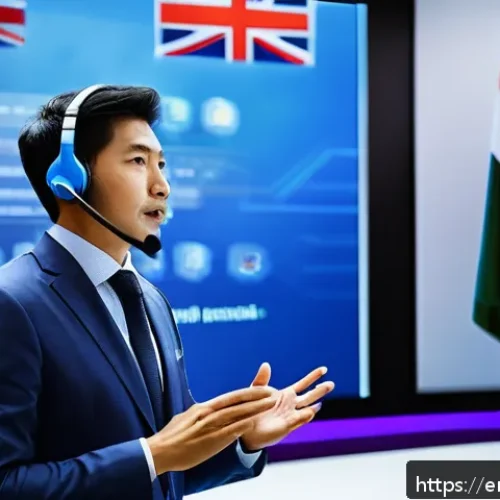
The interpreter job market in 2024 is evolving faster than ever, shaped by technological advances and increasing global communication demands. Whether you’re just starting out or looking to level up your career, understanding the latest industry trends and expectations is crucial.

From AI integration to specialized language fields, the opportunities and challenges are reshaping how interpreters work and thrive. If you’re serious about making your mark, this guide will walk you through what every aspiring interpreter needs to know to stay ahead and succeed.
Let’s dive into the essentials that could transform your career path today.
Embracing Technology: How AI and Tools Are Reshaping Interpretation
AI-Assisted Interpretation: Friend or Foe?
The rise of AI-powered interpretation tools is no longer a distant future but a present reality. From real-time speech-to-text converters to machine translation integrated into conferencing platforms, technology is dramatically changing how interpreters operate.
While some may worry about AI replacing human skills, the truth I’ve seen firsthand is quite different. These tools often act as valuable assistants, helping reduce fatigue during long sessions and improving accuracy by providing quick references.
However, relying solely on AI is risky; cultural nuances, tone, and context still require a human touch. It’s about blending AI strengths with our interpretative intuition rather than competing against it.
Must-Have Tech Skills for Modern Interpreters
If you want to stay competitive, getting comfortable with the latest software and hardware is essential. Interpreters now often work remotely via platforms like Zoom, Teams, or specialized interpreting software such as KUDO or Interprefy.
Mastering these tools isn’t just about technical know-how; it’s about troubleshooting on the fly and adapting to different client setups. Additionally, investing in quality microphones, headphones, and soundproofing can make a massive difference in your performance and client satisfaction.
I remember my first remote job where poor audio nearly tanked the session—since then, I’ve prioritized tech upgrades as much as language skills.
Balancing Speed and Accuracy in the Digital Age
With AI tools speeding up content delivery, interpreters face pressure to keep pace without sacrificing accuracy. It’s a delicate balance because rushing can cause misinterpretations that damage credibility.
I’ve learned that the best approach is to use AI for support but maintain a steady, thoughtful pace that allows for cultural and linguistic precision.
Training sessions now increasingly focus on multitasking skills—listening, typing, and verifying simultaneously—which are crucial when working with digital aids.
The goal is to become a tech-savvy interpreter who uses AI as a scaffold, not a crutch.
Diving Into Specializations: Finding Your Niche in Interpretation
Why Specializing Boosts Your Career Prospects
Generalist interpreters may find work, but specializing can open doors to higher-paying and more consistent gigs. Areas like medical, legal, conference, and technical interpretation demand specific vocabularies and subject matter knowledge that clients highly value.
For example, medical interpreters must understand complex terminology and maintain confidentiality, which requires targeted training and certification.
I’ve seen colleagues pivot successfully into niche fields after a few years, dramatically increasing their marketability and income. Specialization also builds confidence since you become an expert in your area rather than a jack-of-all-trades.
Popular Specializations and Their Unique Challenges
Each specialization comes with its own challenges. Legal interpreting demands strict adherence to ethical standards and the ability to interpret complex legal jargon accurately, often in high-stress courtroom environments.
Medical interpreting requires quick thinking and sensitivity, especially when conveying life-impacting information between patients and healthcare providers.
Conference interpreting, on the other hand, involves long hours and rapid-fire exchanges on diverse topics, demanding stamina and broad knowledge. I personally found conference interpreting exhilarating but exhausting, whereas medical interpreting required me to develop a calm, empathetic demeanor.
Certifications and Training That Make a Difference
Investing in certifications can set you apart in specialized fields. For instance, the Certification Commission for Healthcare Interpreters (CCHI) or the National Board of Certification for Medical Interpreters (NBCMI) are well-recognized credentials in the medical domain.
Legal interpreters often pursue certifications through state or national judicial branches. Many professional associations offer specialized workshops and continuing education, which not only sharpen skills but also build professional networks.
From my experience, these credentials often lead to higher pay and more trust from clients, making them well worth the effort.
Remote and On-site Work: Navigating New Norms in Interpretation Jobs
The Surge of Remote Interpreting Opportunities
Remote interpreting exploded in popularity, especially after the pandemic accelerated virtual communication trends. Platforms now connect interpreters to clients worldwide without geographic barriers, expanding job options but also increasing competition.
Working from home offers flexibility and reduces travel stress, but it also requires a disciplined workspace and reliable internet. I recall shifting to remote interpreting and initially struggling with distractions; creating a dedicated, quiet environment changed the game for me.
Remote work suits those who can adapt quickly to tech and remain self-motivated.
On-site Interpretation: When Face-to-Face Still Matters
Despite the rise of remote work, on-site interpreting remains critical for certain settings like courtrooms, hospitals, and diplomatic events. The immediacy of presence can enhance communication nuances and trust.
Plus, some clients prefer in-person interpreters for sensitive matters. However, on-site roles often mean irregular hours and travel, which can be draining.
I’ve taken several on-site assignments and found they require physical stamina and quick mental shifts due to unpredictable environments. Balancing remote and on-site work can diversify your income streams and keep your skills sharp.
Hybrid Models: The Best of Both Worlds?
Hybrid interpreting models are emerging, combining remote and on-site elements. For example, interpreters might handle part of a conference virtually while covering breakout sessions in person.
This flexibility caters to client needs and can optimize scheduling. It also allows interpreters to gradually transition between work environments without committing exclusively to one.
From my perspective, mastering hybrid approaches demands excellent time management and tech adaptability. Those who can seamlessly switch modes tend to enjoy greater job security and variety.
Understanding the Economics: Rates, Contracts, and Negotiation Tips
Interpreting Rates: What to Expect in 2024
Rates vary widely depending on specialization, location, and experience. Conference interpreters typically command higher fees than community interpreters, reflecting the skill and preparation required.
Remote sessions often pay less than on-site due to reduced travel and setup costs, but this isn’t always the case. Freelancers should research market standards and be wary of undervaluing themselves.

Personally, I’ve learned to track my hours meticulously and factor in prep time, which helps justify my rates during negotiations.
Key Contract Elements Every Interpreter Should Know
Contracts are crucial for protecting your rights and clarifying expectations. Look for clauses about cancellation policies, confidentiality, payment schedules, and liability.
Some clients require interpreters to sign non-disclosure agreements, especially in legal or medical contexts. I always recommend reading contracts carefully or consulting a professional before signing.
Clear terms prevent misunderstandings and ensure smoother working relationships.
Effective Negotiation Strategies to Maximize Earnings
Negotiation can feel intimidating, but it’s essential for fair compensation. Start by highlighting your specialization, certifications, and past successes to justify your rates.
Don’t hesitate to ask for incremental raises once you’ve proven your value. If a client pushes back, consider offering package deals or value-added services like document review or terminology preparation.
I’ve found that framing negotiations as partnerships rather than confrontations leads to better outcomes. Confidence and professionalism go a long way in securing better terms.
Building a Personal Brand and Network in Interpretation
Why Personal Branding Matters
In today’s competitive market, standing out is vital. A strong personal brand communicates your expertise, reliability, and unique style. This can be conveyed through a professional website, active LinkedIn presence, or social media showcasing your knowledge and experiences.
When I started sharing insights and tips online, I noticed more clients reaching out directly, which bypassed agencies and increased my earnings. Branding isn’t about self-promotion alone—it’s about building trust and showing what makes you the best fit for specific projects.
Networking: More Than Just Collecting Contacts
Networking is about meaningful connections. Joining interpreter associations, attending conferences, or participating in online forums can open doors to referrals and mentorship.
I’ve benefited immensely from peers who shared job leads and advice during tough times. It’s important to give back too—offering support or collaborating can strengthen relationships.
Over time, these networks become invaluable resources for knowledge and career growth.
Leveraging Online Platforms for Job Growth
Online platforms like ProZ, Gengo, and specialized interpreting job boards are gold mines for freelance gigs. Creating detailed profiles highlighting your skills and languages can attract clients worldwide.
However, competition is fierce, so maintaining high ratings and quick responses is key. I recommend combining platform work with direct client outreach to diversify opportunities.
Staying proactive online helps maintain a steady workflow and builds your reputation steadily.
Key Skills Beyond Language: What Top Interpreters Bring to the Table
Emotional Intelligence and Cultural Sensitivity
Interpreters often serve as bridges between cultures, which requires more than linguistic skills. Emotional intelligence helps navigate sensitive topics and manage stress during tense conversations.
Cultural sensitivity ensures accurate and respectful communication, preventing misunderstandings. In my experience, clients appreciate interpreters who can read the room and adjust tone or style accordingly.
Developing these soft skills is as crucial as vocabulary memorization.
Active Listening and Memory Techniques
Interpretation demands intense focus and the ability to recall information accurately under pressure. Active listening means fully engaging with the speaker without distractions, which can be challenging in noisy or fast-paced settings.
Memory techniques like chunking information or visualization can improve retention during consecutive interpretation. I’ve practiced these methods regularly, and they’ve noticeably boosted my performance and confidence during assignments.
Stress Management and Self-Care
The interpreting profession can be mentally and physically exhausting. Managing stress through regular breaks, mindfulness, and healthy habits is essential for longevity.
Early in my career, I underestimated this aspect and burned out quickly. Now, I prioritize self-care and set boundaries to maintain peak performance. Clients notice when you’re calm and composed, which enhances your professionalism and effectiveness.
| Aspect | Key Details | Why It Matters |
|---|---|---|
| AI Tools | Real-time translation, speech recognition, terminology databases | Boosts accuracy and efficiency but requires human oversight |
| Specializations | Medical, legal, conference, technical | Higher pay and demand; requires targeted training |
| Work Settings | Remote, on-site, hybrid | Flexibility vs. presence trade-offs; affects income and workload |
| Rates & Contracts | Varies by field and location; includes cancellation and confidentiality clauses | Ensures fair pay and professional protection |
| Personal Branding | Online presence, networking, client relationships | Attracts better opportunities and builds trust |
| Soft Skills | Emotional intelligence, active listening, stress management | Enhances communication quality and career sustainability |
Conclusion
Technology and specialization are transforming the interpretation profession in exciting ways. By embracing AI tools wisely and focusing on niche expertise, interpreters can enhance both their skills and earning potential. Balancing remote and on-site work further expands opportunities, while strong personal branding and soft skills ensure long-term success. Staying adaptable and proactive is key to thriving in this evolving landscape.
Helpful Information
1. Understanding how AI can assist rather than replace interpreters is essential for modern practice.
2. Developing proficiency with remote interpreting platforms and quality equipment boosts performance.
3. Specializing in fields like medical or legal interpretation opens doors to higher-paying jobs.
4. Negotiating fair rates requires knowledge of market standards and clear contract terms.
5. Cultivating emotional intelligence and stress management skills supports career longevity and client satisfaction.
Key Takeaways
Interpreters must combine technological savvy with human insight to deliver accurate, culturally sensitive services. Specialization and continuous training elevate market value, while flexible work arrangements offer balance and variety. Clear contracts and confident negotiation protect both income and professionalism. Finally, investing in personal branding and soft skills creates meaningful connections that foster career growth.
Frequently Asked Questions (FAQ) 📖
Q: How is
A: I impacting the interpreter job market in 2024? A1: AI is transforming the interpreter job market by automating routine translation tasks, but it’s also creating new opportunities for interpreters to specialize in areas where human nuance and cultural understanding are essential.
While AI can handle straightforward conversations, complex negotiations, medical or legal interpreting still rely heavily on human skills. Interpreters who adapt by learning to work alongside AI tools often find their efficiency and job prospects improving significantly.
Q: What language specializations are most in demand right now?
A: In 2024, demand is highest for interpreters specializing in healthcare, legal, and technical fields. Global businesses also seek interpreters fluent in emerging market languages like Arabic, Mandarin, and Hindi.
Specialized knowledge in industries such as finance or technology gives interpreters a competitive edge, as clients prefer experts who understand both language and subject matter deeply.
Q: What skills should new interpreters focus on to succeed in today’s market?
A: Beyond language proficiency, new interpreters should develop strong cultural competence, quick decision-making, and familiarity with remote interpreting platforms.
Communication skills and the ability to remain calm under pressure are crucial. Additionally, gaining certifications and continuing education in specialized fields can boost credibility and open doors to higher-paying assignments.