When I think about the journey of becoming a truly proficient interpreter, it’s rarely about just memorizing vocabulary or grammar rules. Believe me, I’ve seen firsthand how academic knowledge can fall flat in the heat of a real-time, high-stakes conversation.
What’s truly missing for many aspiring professionals is a truly immersive, hands-on environment where they can grapple with the unexpected, handle emotional cues, and navigate cultural subtleties without the fear of making a costly public mistake.
In today’s rapidly evolving world, where AI translation tools are becoming increasingly sophisticated, the value of a human interpreter lies not in speed, but in irreplaceable empathy, cultural intelligence, and the ability to build genuine connection.
This isn’t just a trend; it’s the future of our field. Creating practical, realistic training grounds isn’t just beneficial—it’s absolutely essential to bridge that gap between theory and flawless execution.
It’s about simulating those high-pressure situations, from diplomatic meetings to urgent medical consultations, ensuring our interpreters are truly battle-ready.
Let’s find out exactly.
Let’s find out exactly how we can bridge that critical gap between academic understanding and the nuanced, demanding reality of professional interpretation.
It’s a journey I’ve personally watched countless aspiring interpreters navigate, often struggling with the sheer unpredictability of human interaction, something no textbook can fully prepare you for.
Beyond the Textbook: The Imperative for Real-World Simulation

When I first stepped into a real interpreting booth, fresh out of what I thought was comprehensive training, I quickly realized the profound difference between theoretical knowledge and practical application.
The nuances of accents, the speed of delivery, the emotional weight of certain statements – these were elements that mock dialogues simply couldn’t replicate.
We need to move past rote memorization and embrace dynamic, living scenarios that force interpreters to think on their feet, not just translate words, but convey intentions and emotions.
It’s like learning to drive; you can read all the manuals, but until you’re behind the wheel in traffic, you haven’t truly learned. This immersive approach isn’t a luxury; it’s the bedrock upon which truly proficient interpreters are built.
Without it, you’re merely a dictionary with a voice, not a bridge between cultures. My own initial struggles highlighted this gap vividly, pushing me to seek out every opportunity for live practice, regardless of how intimidating it felt.
1. Simulating High-Stakes Environments
Creating environments that mirror the pressure of actual assignments is absolutely crucial. Think about a medical emergency where every word could determine a patient’s outcome, or a high-level diplomatic meeting where a misinterpretation could spark an international incident.
These aren’t just about vocabulary; they’re about managing stress, maintaining composure, and making split-second decisions under immense pressure. We need to design exercises that push interpreters to their cognitive limits, forcing them to prioritize, condense, and adapt, just as they would in a live situation.
This might involve role-playing scenarios with actors specifically trained to mimic difficult speakers – perhaps someone speaking rapidly, using heavy jargon, or even expressing strong emotions.
It’s about building mental stamina and the confidence to perform flawlessly when the stakes are highest.
2. The Unpredictability Factor in Training
One of the biggest pitfalls of traditional training is its predictability. Students often know what to expect, which robs them of the chance to develop true adaptability.
To truly simulate real-world conditions, training must incorporate unexpected elements: sudden topic shifts, technical glitches, speakers with difficult or unusual speech patterns, or even emotionally charged outbursts.
Imagine a training session where, mid-sentence, the “speaker” suddenly switches languages or begins weeping. How would an interpreter, trained only in perfect conditions, cope?
By introducing these variable factors, we prepare interpreters not just for what they *expect* to hear, but for the vast, unpredictable spectrum of human communication.
This builds a robust psychological framework, crucial for enduring the mental demands of the profession.
Crafting Immersive Scenarios: What Actually Works
When we talk about creating these “immersive scenarios,” it’s not just about throwing a bunch of words at someone. It’s about meticulously designing situations that encompass the full spectrum of challenges an interpreter faces daily.
This goes beyond a simple dialogue; it involves intricate plotlines, multiple characters, and a clear objective that needs to be achieved through accurate communication.
From my experience coaching countless interpreters, the ones who truly excel are those who’ve wrestled with scenarios that made them sweat, scenarios that demanded not just linguistic prowess but also sharp analytical skills and unwavering emotional intelligence.
It’s about creating miniature worlds where the stakes feel real, even if they’re simulated.
1. Designing Multi-layered Role-Playing Exercises
Effective role-playing isn’t just about having two people speak different languages. It involves carefully constructed narratives that include specific objectives, hidden agendas, cultural nuances, and even personality clashes.
For instance, a scenario might involve a patient expressing cultural beliefs that conflict with Western medical practices, or a business negotiation where indirect communication is paramount.
The “actors” in these scenarios should be trained to embody realistic personas, complete with their own speaking styles, emotions, and background knowledge.
This forces the interpreter to do more than just translate; they must also understand the underlying context, read non-verbal cues, and often manage the interaction itself.
It’s about making them active participants, not just passive conduits.
2. Leveraging Real-World Content and Case Studies
While fictional scenarios are valuable, incorporating actual historical speeches, legal transcripts, or even news broadcasts can add an unparalleled layer of authenticity.
By working with real-world content, interpreters encounter the unedited, often messy reality of live communication. Think about analyzing a transcript from a complex court case, identifying the points of contention, and then practicing interpreting the live testimony.
Or taking a highly technical scientific lecture and having to condense and simplify complex concepts on the fly. These case studies provide a tangible connection to the profession’s demands, allowing interpreters to grapple with actual discourse, jargon, and communication challenges that have previously occurred.
This also helps develop crucial research skills for unfamiliar topics.
The Role of Technology: Enhancing, Not Replacing, Human Skill
It’s easy to look at the advancements in AI translation and feel a twinge of anxiety about the future of human interpretation. But from where I stand, having worked with various technological tools throughout my career, I see them not as threats but as incredibly powerful allies.
Technology, when properly integrated into training and practice, can elevate human interpreters to new levels of efficiency and accuracy, freeing them from mundane tasks and allowing them to focus on what truly differentiates them: empathy, cultural intuition, and the ability to build rapport.
My own workflow has been significantly streamlined by smart tech, allowing me to focus on the human connection rather than getting bogged down by terminology.
1. Utilizing AI for Skill Refinement and Feedback
AI translation tools, paradoxically, can be invaluable for training human interpreters. Imagine a system that records your interpretation, then uses AI to analyze your performance against a perfect translation, highlighting areas where you hesitated, mispronounced, or missed nuances.
This kind of immediate, objective feedback is something no human instructor can provide at the same scale or speed. It allows interpreters to self-correct and refine their skills with precision.
We can also use AI to generate diverse, context-rich practice materials, simulating a wider range of accents, speaking speeds, and subject matters than would be feasible with human resources alone.
2. Virtual Reality and Augmented Reality for Immersive Practice
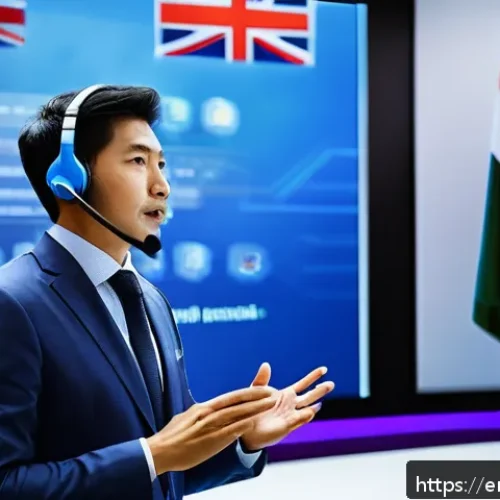
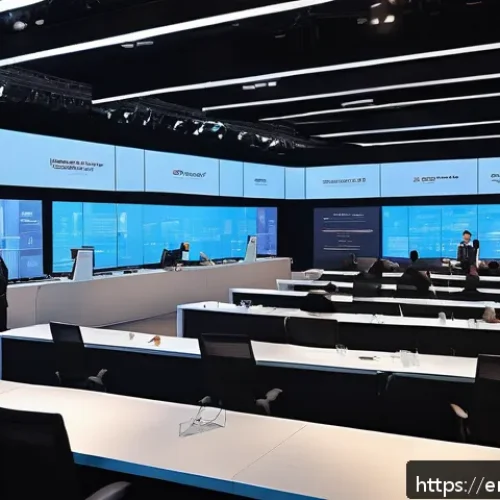
The potential of VR and AR in interpreter training is nothing short of revolutionary. Imagine stepping into a virtual diplomatic summit, or a crowded emergency room, and practicing simultaneous interpretation as virtual speakers move and interact around you.
VR can provide a completely immersive, risk-free environment to practice difficult situations, from managing multiple speakers in a conference to handling a highly emotional individual in a private setting.
This technology allows for repeatable, customizable scenarios that would be impossible or prohibitively expensive to recreate in the physical world, offering unprecedented opportunities for skill development and confidence building.
Navigating Cultural Nuances: More Than Just Words
True interpretation transcends mere language conversion. It’s about understanding the subtle, often unspoken, rules of interaction that govern different cultures.
I’ve seen interpreters, perfectly fluent in both languages, utterly fail because they missed a crucial cultural cue – a polite refusal mistaken for acceptance, or an indirect criticism interpreted as praise.
This is where human empathy and cultural intelligence become not just important, but absolutely indispensable. My own experiences, especially in international settings, have repeatedly reinforced that the real work often begins long after the words are spoken, in the realm of understanding the “why” behind them.
1. Beyond Literal Translation: The Art of Cultural Mediation
Interpreters are, in essence, cultural mediators. Their role isn’t just to convert words, but to bridge cultural gaps and ensure mutual understanding.
Training must therefore include extensive modules on cultural studies, cross-cultural communication theories, and real-life case studies of cultural misunderstandings.
This goes beyond memorizing customs; it involves developing an intuitive sense for the underlying values, communication styles (high-context vs. low-context), and social hierarchies that influence interactions.
Role-playing scenarios should intentionally incorporate these cultural dilemmas, forcing interpreters to not only translate accurately but also to decide how best to convey meaning without causing offense or confusion across cultural lines.
2. The Significance of Non-Verbal Cues
A significant portion of human communication is non-verbal. Gestures, facial expressions, body language, even silence – all carry profound meaning. An interpreter who focuses solely on spoken words misses a vast amount of information.
Training must emphasize the observation and interpretation of these non-verbal cues. This could involve video analysis of real-life interactions, exercises where students interpret solely based on visual input, and discussions on how non-verbal communication varies across cultures.
I’ve often found myself relying on a speaker’s posture or eye contact to gauge their true intent, especially when their words were ambiguous or intentionally vague.
Building Resilience: Handling High-Stakes Pressure
The life of an interpreter, particularly in high-stakes environments, can be incredibly taxing, both mentally and emotionally. It’s not just about language proficiency; it’s about endurance, managing stress, and maintaining focus for extended periods under intense scrutiny.
I vividly recall one particularly grueling simultaneous interpreting assignment that lasted for six hours straight, requiring absolute concentration on complex technical jargon.
My training in stress management and mental fortitude was just as critical as my linguistic skills that day. Without this resilience, even the most talented interpreter can crumble when it matters most.
1. Stress Management and Cognitive Load Training
Interpreters often operate under immense cognitive load, simultaneously listening, analyzing, translating, and speaking. Training programs must incorporate techniques for managing this load and handling stress.
This can include exercises designed to gradually increase the speed and complexity of source material, simulated scenarios with time pressure, and mindfulness techniques to help maintain focus and calm.
Learning to quickly recover from a mistake, or to maintain performance during fatigue, is as crucial as mastering grammar. It’s about building a mental fortress that can withstand the barrage of information and pressure.
2. Ethical Dilemmas and Professional Boundaries
Interpreters frequently encounter sensitive information and emotionally charged situations. Understanding professional ethics, confidentiality, and how to maintain objectivity and professional boundaries is paramount.
Training should include discussions and role-playing around ethical dilemmas – for example, when a client asks an interpreter to omit or alter information, or when personal biases might interfere with impartiality.
Knowing when and how to assert professional boundaries, even in difficult situations, is a mark of a truly seasoned interpreter and crucial for maintaining trust and credibility.
| Training Approach | Key Benefit for Interpreters | Impact on Performance |
|---|---|---|
| Immersive Role-Playing | Develops quick thinking & contextual understanding. | Boosts adaptability in unpredictable scenarios. |
| AI-Powered Feedback | Pinpoints precise areas for improvement. | Accelerates skill refinement and accuracy. |
| Cultural Nuance Workshops | Enhances cross-cultural communication & empathy. | Prevents misunderstandings, builds stronger rapport. |
| High-Pressure Simulations | Builds mental resilience & stress management. | Ensures composure and focus during critical moments. |
| Ethical Case Studies | Strengthens professional judgment & integrity. | Maintains trust and professional credibility. |
Feedback Loops and Continuous Growth: The Interpreter’s Journey
Interpretation is not a static skill; it’s a dynamic craft that requires continuous refinement and learning. Even after years in the field, I still actively seek out opportunities for feedback and new learning experiences.
The moment you think you know it all, you stop growing. Establishing robust feedback mechanisms and fostering a culture of lifelong learning are essential for interpreters to not just maintain, but continuously elevate their expertise.
It’s about embracing imperfection as a stepping stone to mastery, constantly adjusting and improving with every assignment.
1. Structured Peer Review and Mentorship Programs
While instructor feedback is vital, peer review and mentorship offer unique perspectives. Peers can identify common struggles and offer relatable solutions, while experienced mentors can provide invaluable insights gleaned from years in the field.
Establishing structured programs where interpreters regularly review each other’s work (e.g., recorded interpretations) and provide constructive criticism in a supportive environment can significantly accelerate learning.
This also fosters a sense of community and shared growth within the profession, which I’ve found incredibly motivating.
2. Self-Reflection and Performance Analysis
The most powerful tool for continuous improvement often lies within the interpreter themselves: the ability to critically self-reflect. Encouraging interpreters to regularly record their own practice sessions or actual assignments and then analyze their performance – identifying strengths, weaknesses, and areas for improvement – is crucial.
This self-assessment, coupled with external feedback, creates a comprehensive growth cycle. It’s about cultivating a reflective practice, turning every interpreting experience into a learning opportunity, regardless of the outcome.
Measuring Success: What Truly Defines a Proficient Interpreter
Finally, how do we know if our training methods are actually producing truly proficient interpreters? It’s not just about passing a certification exam; it’s about consistent, high-quality performance in real-world scenarios.
The definition of success for an interpreter goes far beyond linguistic accuracy; it encompasses their ability to navigate complex social dynamics, manage their own stress, and ultimately, facilitate genuine, meaningful communication across linguistic and cultural divides.
I’ve often evaluated interpreters not just by what they said, but by the tangible impact their interpretation had on the communication outcome – did the parties truly understand each other?
Were goals achieved?
1. Beyond Accuracy: Measuring Efficacy and Impact
While linguistic accuracy is fundamental, it’s merely the baseline. True proficiency is measured by the interpreter’s efficacy in achieving the communication goals of the interaction.
Did their intervention lead to a clear understanding, a successful negotiation, or a complete exchange of information? This requires evaluating not just the interpretation itself, but also its contextual impact.
Surveys from participants, observational assessments of flow and interaction dynamics, and post-event analysis of outcomes can provide a more holistic picture of an interpreter’s real-world effectiveness.
2. Long-Term Professional Development Tracking
A one-time assessment is never enough. Tracking an interpreter’s professional development over time – including their choice of continuous learning, their engagement with feedback, and their ability to adapt to new subjects or challenging environments – provides the most accurate measure of their long-term success.
This involves creating a framework for ongoing mentorship, peer engagement, and skill diversification. It’s about building a career path that fosters consistent growth and responsiveness to the ever-evolving demands of the interpretation landscape.
Conclusion
As I reflect on my own journey and the countless interpreters I’ve seen rise to mastery, one truth consistently emerges: exceptional interpretation isn’t merely about linguistic fluency. It’s about a profound understanding of human interaction, bolstered by rigorous, real-world training that pushes boundaries and builds unbreakable resilience. The gap between theory and practice is vast, but with a deliberate focus on immersive scenarios, technological integration, and deep cultural insight, we can truly equip the next generation of interpreters to excel.
This isn’t just about professional development; it’s about fostering genuine understanding across borders and cultures, a mission I believe is more critical than ever in our interconnected world.
Useful Information
1. Embrace Real-World Scenarios: Move beyond textbook dialogues. Seek out or create training that mimics the unpredictable, high-pressure environments of actual interpreting assignments, complete with unexpected challenges and emotional dynamics.
2. Leverage Technology Wisely: View AI and VR as powerful tools to enhance your skills, not replace them. Use AI for precise feedback on your performance and VR for immersive, risk-free practice in diverse virtual settings.
3. Deepen Cultural Intelligence: Realize that interpretation is cultural mediation. Dedicate time to understanding non-verbal cues, communication styles, and cultural nuances that go far beyond literal translation, ensuring you convey true meaning.
4. Prioritize Mental Resilience: The profession is demanding. Incorporate stress management techniques, cognitive load training, and ethical dilemma discussions into your development to build the mental fortitude required for high-stakes situations.
5. Commit to Lifelong Learning: Interpretation is an evolving craft. Actively seek structured peer feedback, mentorship, and engage in self-reflection and performance analysis to ensure continuous growth throughout your career.
Key Takeaways
True interpreting proficiency demands a holistic approach that extends far beyond linguistic skill. It requires training built on authentic, challenging scenarios, intelligent integration of technology, profound cultural understanding, robust mental resilience, and a commitment to continuous growth through feedback and self-reflection. By embracing these pillars, interpreters can confidently bridge the divide between languages and cultures, performing with accuracy, empathy, and unwavering professionalism in any real-world setting.
Frequently Asked Questions (FAQ) 📖
Q: Why can’t I just rely on traditional language schools or online courses to become a truly exceptional interpreter?
A: Believe me, I’ve seen it countless times: brilliant linguists, top of their class, who freeze up the moment they’re in a real-time, high-pressure situation.
Academic knowledge, while foundational, is like knowing all the rules of baseball without ever stepping onto a field with a crowd roaring. It’s flat. You can memorize every idiom and grammar rule, but that doesn’t teach you how to handle the sudden shift in a client’s tone, the pregnant pause that signals a cultural misunderstanding, or the sheer adrenaline of facilitating a multi-million dollar deal.
Those nuanced, messy, utterly human elements are what traditional methods just can’t replicate. We’re talking about the difference between knowing about communication and actually doing it, flawlessly and under immense duress.
Q: What makes this “immersive training ground” genuinely different from other programs, especially when it comes to handling high-stakes situations?
A: This isn’t your typical classroom where you drill vocabulary or translate pre-written texts. Think of it less like a language lab and more like a flight simulator for elite pilots – but for interpreters.
We plunge you into scenarios that are as close to real life as possible: a tense diplomatic negotiation, an urgent medical consultation where every word matters, even a charged legal deposition.
You’re not just translating words; you’re navigating emotions, cultural protocols, and the unspoken subtext. We throw curveballs, we introduce unexpected crises, and we demand that you adapt, think on your feet, and build rapport in real-time.
It’s about building muscle memory for the unexpected, making mistakes in a safe environment, and getting immediate, brutally honest feedback so that when you face the actual high-stakes moment, you’re not just prepared – you’re battle-hardened.
Q: With
A: I translation tools advancing so rapidly, is there really still a viable future for human interpreters, and what’s our true competitive edge? A3: That’s a fair question, and one I hear a lot.
Look, AI is fantastic for transactional translation – think menu items or simple instructions. But try asking a machine to understand the subtle sarcasm in a boardroom joke, or to convey genuine empathy during a crisis, or to build the kind of trust that closes a complex international deal.
It just can’t. Our irreplaceable edge isn’t speed, it’s soul. It’s the human capacity for empathy, cultural intelligence that goes beyond algorithms, and the ability to read a room, understand unspoken cues, and foster genuine connection between people from different worlds.
The future isn’t about competing with AI on speed; it’s about amplifying the uniquely human elements that AI will never replicate – the warmth, the nuance, and that intuitive spark that truly bridges divides.
That’s why we’re more vital than ever, just in a more evolved, specialized role.
📚 References
Wikipedia Encyclopedia
구글 검색 결과
구글 검색 결과
구글 검색 결과
구글 검색 결과
구글 검색 결과